

Sedation Dentistry in Phoenix in 2026: Making Dental Care Easier When You’re Anxious About the Dentist
If the thought of sitting in a dental chair makes your heart race, you are far from alone. Some people feel mildly nervous about dentistry. Others have such strong dental anxiety that they postpone appointments for years, even when they know something needs attention.
At Innovative Dentistry Biltmore in Phoenix, we believe fear should not prevent someone from getting the dental care they need. For appropriate patients, nitrous oxide or oral conscious sedation can make treatment feel considerably more manageable. For patients who require a deeper level of sedation, IV sedation can also be arranged with an appropriately qualified sedation provider.
But sedation is only part of the answer. How you are treated, how carefully things are explained, how well you are numbed, and whether you feel listened to can be just as important.

Why Do Some People Need Sedation at the Dentist?
Sedation dentistry can help appropriate patients who experience significant anxiety, fear of injections, a strong gag reflex, previous traumatic dental experiences, difficulty tolerating long appointments, or apprehension about extensive treatment.
Dental anxiety can also create an unfortunate cycle: fear causes someone to postpone care, untreated problems become more complicated, and the possibility of needing additional treatment creates even greater anxiety.
Research confirms that dental anxiety can contribute to avoidance of care and missed appointments. Modern management can include both behavioral approaches and pharmacologic options such as nitrous oxide and oral sedation, depending on the individual patient and clinical situation.
People may consider sedation dentistry because they:
Have had a painful or frightening dental experience in the past
Are afraid of injections or dental instruments
Become anxious about dental sounds, smells or sensations
Feel uncomfortable giving up control in the dental chair
Have a strong gag reflex
Have difficulty sitting through a lengthy appointment
Worry that they will not become completely numb
Need extensive treatment
Would prefer to complete more treatment in fewer appointments when appropriate
Feel embarrassed because they have not visited a dentist for years
Needing additional help with dental anxiety is nothing to be embarrassed about. The important question is what will make receiving appropriate dental care easier for you.

How Does Sedation Dentistry Work?
Dental sedation uses medication to decrease anxiety and help you remain more relaxed during treatment.
One important distinction is often misunderstood:
Sedation helps control anxiety and awareness. Local anesthesia numbs the tooth and surrounding tissues to control pain.
Sedation does not replace proper local anesthesia. The American Dental Association specifically distinguishes sedation for fear and anxiety from local anesthetic techniques used for pain control.
At Innovative Dentistry Biltmore, the two routinely available options are nitrous oxide sedation and oral conscious sedation. IV sedation can be arranged when a deeper level of sedation is appropriate.

What Is Nitrous Oxide Dental Sedation?
Nitrous oxide, sometimes called “laughing gas,” is a mild inhaled sedative that can be useful for patients with mild to moderate dental anxiety.
You breathe a mixture of nitrous oxide and oxygen through a small mask placed over your nose. It begins working quickly and can be adjusted during treatment.
Most patients remain awake and able to communicate normally. You may simply feel calmer, lighter, more relaxed and less focused on what is happening around you.
One advantage is that the effects generally diminish quickly once administration stops. The ADA describes nitrous oxide combined with oxygen as an effective method of managing dental pain and anxiety when it is used appropriately.
For someone who does not want stronger sedation but needs help getting through an appointment, nitrous oxide can be a useful option.
What Is Oral Conscious Sedation?
Oral conscious sedation uses prescribed medication before dental treatment to create a greater degree of relaxation while generally allowing the patient to remain conscious and responsive.
For someone with more significant dental anxiety, oral sedation may provide a deeper sense of relaxation than nitrous oxide alone.
Depending on the medication, dosage and individual response, you may feel sleepy, become much less concerned about what is happening around you, perceive the appointment as passing more quickly, or remember less about parts of the appointment afterward.
Oral conscious sedation is not the same as general anesthesia.
A systematic review of adult dental sedation research found evidence that oral sedative medications can reduce anxiety, although effects and adverse reactions vary depending on the medication and patient. This is one reason individual medical evaluation is important rather than treating sedation as a one-size-fits-all solution.
Patients receiving oral sedation may need a responsible adult to provide transportation and should follow individualized instructions about eating, drinking, medications, driving and activities after treatment.
Are You Awake During Dental Sedation?
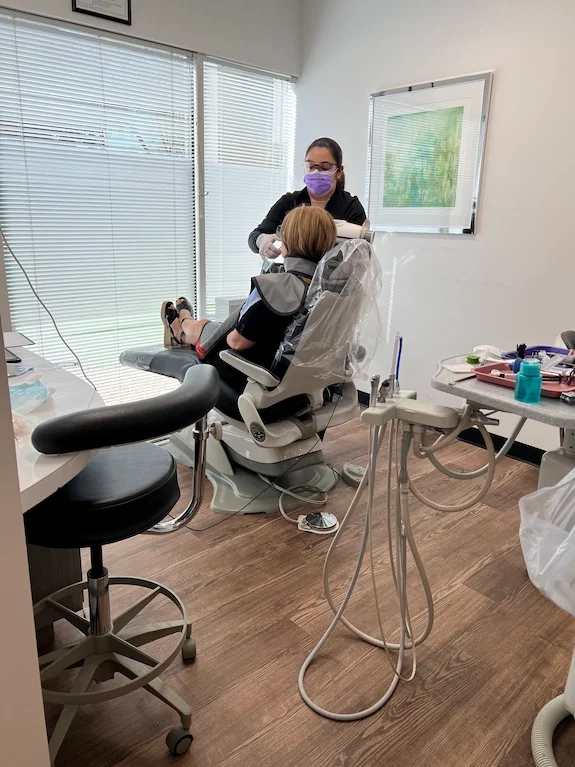
With nitrous oxide and oral conscious sedation, patients are generally awake rather than under general anesthesia.
You can usually respond to questions and instructions even though you feel relaxed or sleepy. With oral sedation, some patients remember much less of the appointment.
The depth of sedation can vary, which is why your medical history, medications, health conditions, planned procedure and previous experiences need to be considered beforehand.
Does Sedation Dentistry Stop Pain?
Not by itself.
Sedation decreases anxiety and can change how intensely you focus on the experience, but local anesthetic is generally still used to numb the area being treated.
This distinction is particularly important for someone whose previous dental fear came from a painful experience.
Good anxiety control and good anesthesia work together. A comfortable appointment should not depend simply on giving someone medication and expecting that to solve everything.
How Can Sedation Make Dental Treatment Easier?
For an anxious patient, sedation can change the experience of treatment considerably.
Instead of spending an entire appointment tense and anticipating what might happen next, you may be able to relax enough to let the dental team work comfortably.
Sedation may help patients:
Experience less anticipatory anxiety
Focus less on sounds and sensations
Tolerate longer appointments
Manage a strong gag reflex
Feel that an appointment passes more quickly
Receive procedures they have previously avoided
Complete multiple procedures during one appointment when clinically appropriate
This can be especially helpful for someone who needs several procedures. For some anxious patients, returning repeatedly and working up the courage for each appointment can be harder than the dental treatment itself.
What About IV Sedation?
Some patients need or prefer a deeper level of sedation than nitrous oxide or oral sedation can provide.
In those situations, IV sedation can be arranged through Innovative Dentistry Biltmore with an appropriately qualified sedation provider. Because it requires additional professional services, monitoring and coordination, IV sedation involves significantly greater expense than the options routinely provided in the office.
It is not automatically necessary simply because you are nervous.
The goal is to choose the appropriate amount of sedation for the individual patient and treatment, rather than simply choosing the deepest sedation available.
Dental Sedation Is Only Part of Treating Dental Anxiety
Medication alone does not make a dental office good at treating nervous patients.
Research on dental anxiety supports the value of behavioral approaches, communication and techniques that give patients a greater sense of control, not just medication.
For an anxious patient, seemingly small things can make an enormous difference:
Knowing what will happen before it happens.
Knowing you can ask for a break.
Being allowed enough time to become completely numb.
Having previous bad experiences taken seriously.
Understanding your treatment options rather than feeling pressured into making a decision.
And perhaps most importantly, knowing that the dental team does not judge you for being afraid.
Why Innovative Dentistry Biltmore Is a Good Fit for Anxious Dental Patients
At Innovative Dentistry Biltmore in Phoenix, Dr. Jennifer Ebner and our team have spent more than 25 years caring for patients with very different dental histories, needs and comfort levels.
Our approach extends beyond simply offering sedation.
Patients can benefit from:
Nitrous oxide sedation
Oral conscious sedation
IV sedation arrangements when appropriate
A gentle approach to injections and anesthesia
Clear explanations before procedures
Personalized treatment planning
Patient choice and informed consent
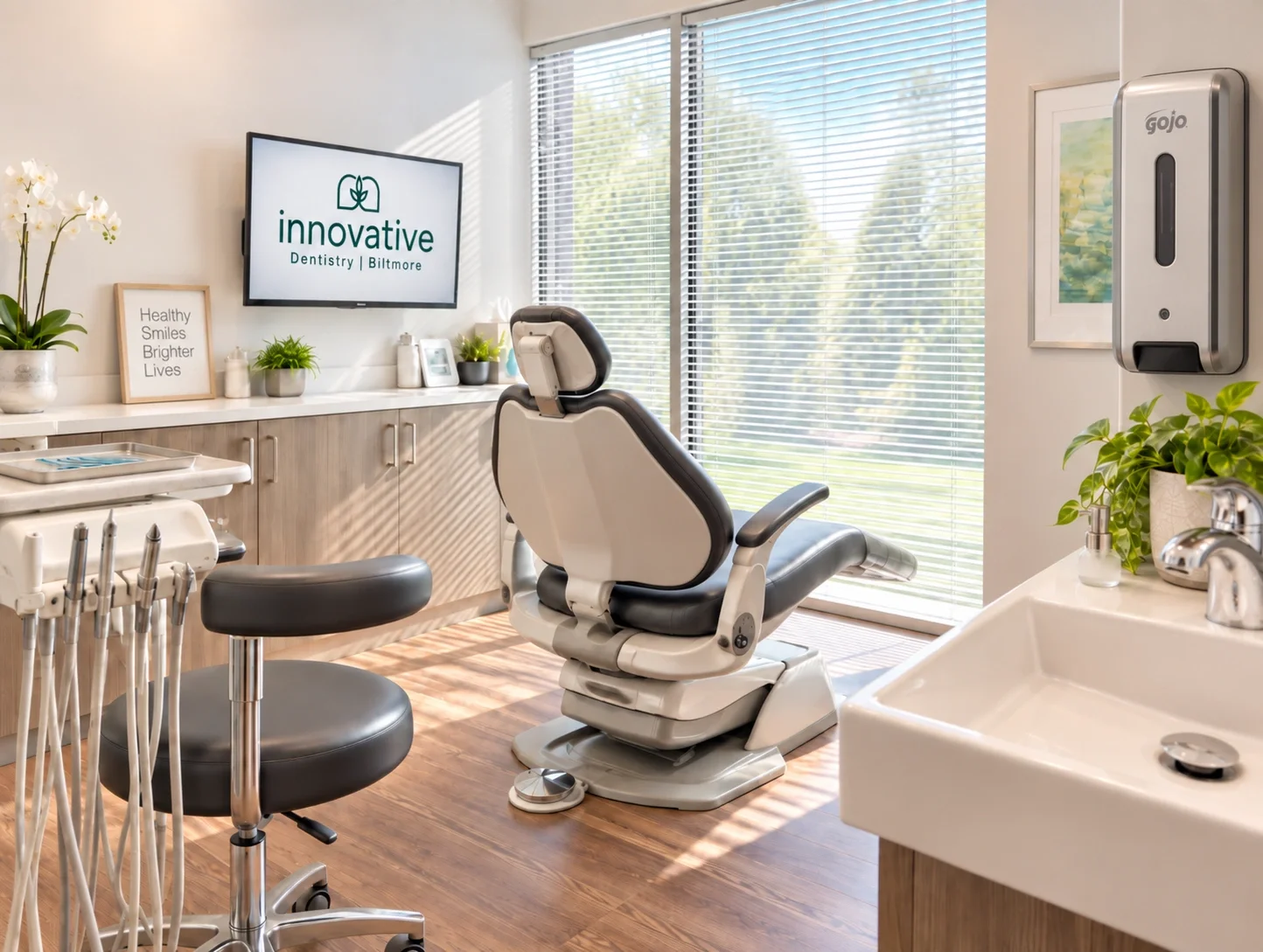
Massage dental chairs
Ceiling-mounted televisions
Blankets and neck support
Modern digital dental technology
An unrushed, privately owned practice environment
We also want patients to tell us exactly what makes them nervous.
You can say:
“I had a terrible experience with another dentist.”
“I hate needles.”
“I have a horrible gag reflex.”
“I don't think I get numb easily.”
“I don't want to know everything that is happening.”
“I haven't been to a dentist in ten years and I'm embarrassed.”
That information is useful. It helps us understand how to approach your appointment differently.
What If You Haven't Been to the Dentist in Years Because You're Afraid?
Your first goal does not need to be completing dental treatment.
It can simply be getting through the front door and finding out where you stand.
If you haven't been to a dentist in five, ten or even more years, you don't need to apologize. What matters now is understanding what is happening in your mouth and finding a realistic way forward.
An examination gives us the opportunity to determine what actually needs treatment, what may simply need monitoring, what your priorities are, and which comfort or sedation options could make future treatment easier.
That can turn one overwhelming problem into a series of manageable decisions.
Looking for a Dentist for Dental Anxiety in Phoenix?
If you are searching for a sedation dentist in Phoenix, the medication offered should not be your only consideration.
Look for a dental office that is comfortable working with anxious patients, explains the differences between sedation and anesthesia, reviews your medical history carefully, provides appropriate monitoring and, most importantly, listens to the reasons you are nervous.
At Innovative Dentistry Biltmore, we routinely offer nitrous oxide and oral conscious sedation for appropriate patients and can arrange IV sedation when a deeper level of sedation is needed.
If dental anxiety has kept you from getting the care you need, your first appointment does not have to feel like a commitment to treatment.
It can begin with a conversation about what worries you, what your mouth needs and what we can do to make dentistry easier.
Does Innovative Dentistry Biltmore Offer Sedation Dentistry?
Yes. Innovative Dentistry Biltmore in Phoenix offers nitrous oxide and oral conscious sedation for appropriate patients with dental anxiety or difficulty tolerating treatment. When deeper sedation is indicated, IV sedation can also be coordinated with an appropriately qualified sedation provider.
Frequently Asked Questions
Can I be sedated if I am afraid of the dentist?
Possibly. Many people with dental anxiety are candidates for nitrous oxide or oral conscious sedation. Your dentist should first review your medical history, medications, anxiety level and planned treatment.
Will I be unconscious with oral dental sedation?
Usually not. Oral conscious sedation is intended to create relaxation while allowing you to remain responsive. Some patients become very sleepy or remember little about portions of the appointment.
Does nitrous oxide work for dental anxiety?
Nitrous oxide can be useful for many patients with mild to moderate anxiety. It works quickly, can be adjusted during treatment and usually wears off relatively rapidly after administration ends.
Do I still need Novocaine or local anesthetic if I'm sedated?
Usually, yes. Sedation controls anxiety and awareness, while local anesthetic numbs the area being treated. They perform different jobs and are frequently used together.
Can several dental procedures be completed while I am sedated?
Sometimes. Sedation may make a longer appointment easier to tolerate, allowing several appropriate procedures to be completed during one visit. Whether that is advisable depends on your health, treatment needs and the procedures involved.
Do I need someone to drive me after oral sedation?
Often, yes. Transportation and post-sedation restrictions depend on the medication and level of sedation. Follow the specific instructions given by your dental office.
What if my dental anxiety is severe?
Tell your dentist before treatment. Options can range from communication and comfort strategies to nitrous oxide, oral sedation or deeper sedation when appropriate. Severe dental anxiety should be managed individually rather than with a single standard approach.