

How to Brush Your Teeth Properly: A Phoenix Dentist’s Step-by-Step Guide
Learn why what you do before brushing is key to brushing teeth the right way. Tips from a trusted Phoenix, Arizona dental office, Innovative Dentistry Biltmore.

Flossing before brushing is a key step in how to brush your teeth properly. If you floss before you brush, the toothbrush is better able to agitate the loose plaque away from the teeth and gums, leaving a clean surface for the minerals in toothpaste to coat.
Start by gently sliding floss between each tooth, curving it into a C-shape and moving it up and down along the sides of the tooth and just under the gum-line (the edge where gums meet teeth). This removes plaque and food your toothbrush can’t reach. The floss should scrape the whole surface of the tooth in front and then the whole surface of the tooth behind, not just go up and down between the teeth. Think of it like wood working and the floss is your sand paper. It will only displace the bacteria it rubs over. If it isn’t rubbing on surfaces in between the teeth, the plaque isn’t being disturbed. The plaque will accumulate and cause irritation, tartar and possibly lead to gum disease.
Flossing first matters because it clears the path for toothpaste to work better between teeth, where cavities and gum disease often start. As a biological dental office, our dentist prefers fiber floss over plastic or teflon floss. For one, teflon is meant to not stick or be abrasive so it is not as effective at displacing bacteria as fiberous floss is. Second, the PFAS chemicals in teflon is though to be something to avoid in the body in general. Our dentist prefers floss made of silk, nylon or coconut husks. Expanding floss is also effective at removing plaque.
A common mistake is snapping floss or skipping back teeth—both can irritate gums or leave bacteria behind. When done correctly, flossing reduces inflammation, prevents decay between teeth, and supports long-term gum health.
At our Phoenix dental office, we see fewer cavities and healthier gums in our patients who floss daily. It’s one of the most effective oral hygiene tips for Arizona patients looking to protect their smiles long term.
Discover when to use mouthwash or a water flosser as part of brushing teeth the right way. Phoenix dentist advice.

Water flossers can irrigate gums and rinse out plaque and debris loosen by flossing before your brush.
If you use mouthwash or a water flosser, timing matters for a proper tooth brushing technique. After flossing, rinse with mouthwash or use a water flosser (a handheld device that squirts a thin stream of water to clean between teeth and gums). Aim the water flosser at the gum-line and move slowly along each tooth to flush out the gums and in between teeth.
This step helps wash away loosened bacteria, reduce plaque buildup, and flush bits of food out of the gums that the floss missed. A common mistake is using mouthwash after brushing with toothpaste ( with or without flouride), which will rinse away protective fluoride or hydroxyapetite and minerals. The effect is like brushing with water. Anything natural takes time, such as weak areas of teeth recalicifying by absorbing hydroxyapetite, fluoride and toothpaste minerals. Try to wait at least 30 minutes before eating or drinking anything to maximize absorption into the teeth. Also avoid high-pressure waterflossing settings that can irritate gums and try not to aim them into gum pockets. Instead aim at an angle that allows the water to flush through.
Used correctly, these tools are a great addition to anyone’s oral health tool box to help prevent gum disease and cavities while improving long-term oral health. Our dentist and hygienists recommend this step to our Phoenix, Arizona patients especially those with braces, implants, or sensitive gums.
Why Electric Toothbrushes Work Better
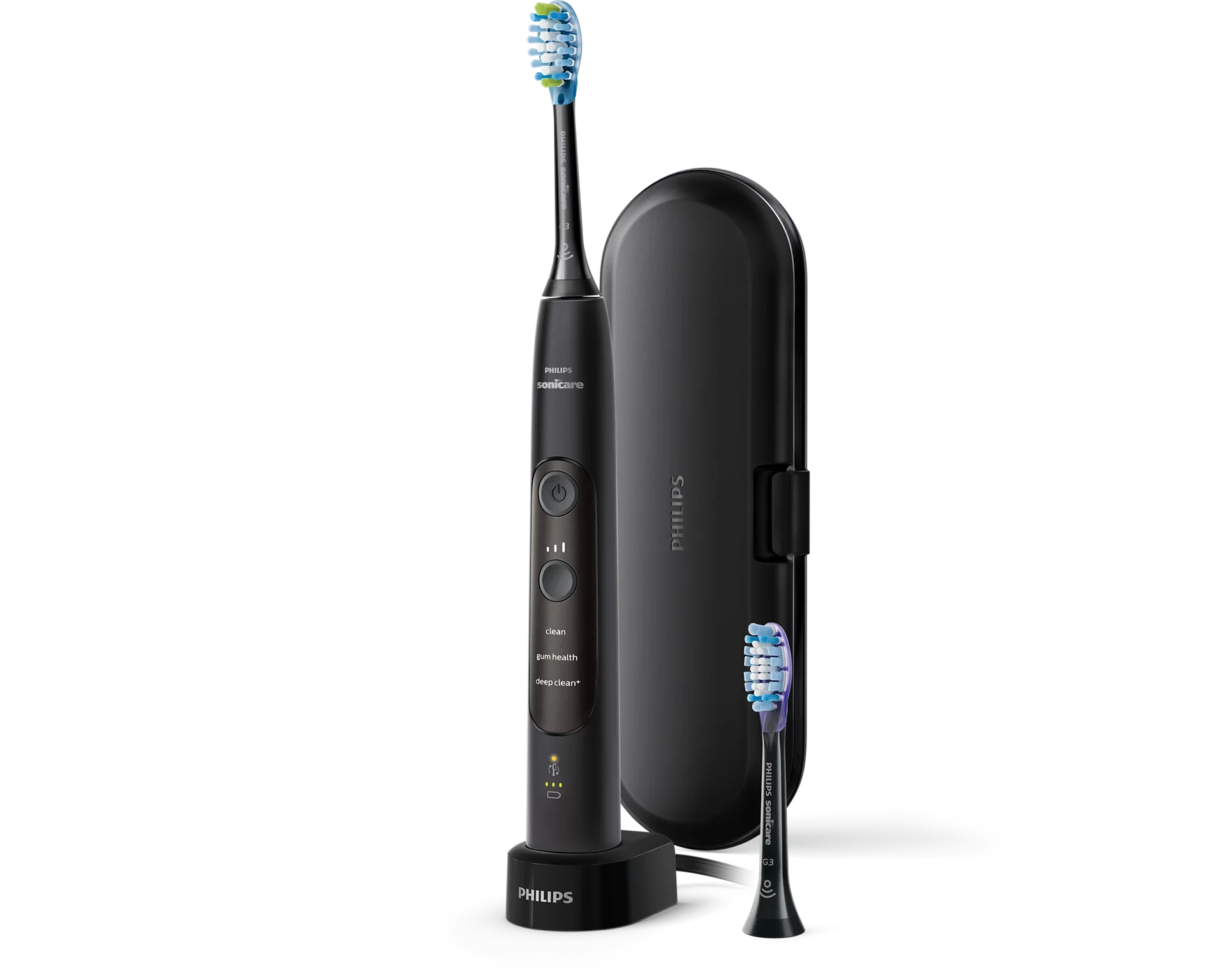
Learn why electric toothbrushes clean better than manual brushes. Expert oral hygiene tips from a Phoenix dental office.
An electric toothbrush is often better than a manual (“stick”) toothbrush for brushing teeth the right way. Place the brush head on your teeth and gums and let it do the work—no scrubbing needed. Move slowly from tooth to tooth, rolling it around into the crevices and spending a few seconds on each tooth.
Electric brushes remove more plaque with their high speed oscillations, faster and more efficient than scrubbing with a stick tooth brush. Electric toothbrushes also help prevent enamel wear caused by aggressive, saw-like brushing. A common mistake is brushing too hard or too fast. Doing so can lead to missed plaque accumulation and tartar build-up, recession-causing damage to the gum tissue, and damage enamel (the hard outer layer of teeth).
Using an electric toothbrush improves consistency, especially for patients with gum recession or frequent cavities. Having a pre-determined level of brushing and an onboard timer you are better able to form a stable routine of tooth brushing that reduces cavities and prevents further brushing-induced recession and sensitivity. At our Phoenix dental office, we often recommend electric brushes to improve long-term oral health outcomes and make daily care easier. There are several quality brands that will all do the trick. Find one that works best for you so you develop a lifelong habit.
How You Hold and Move the Toothbrush Matters
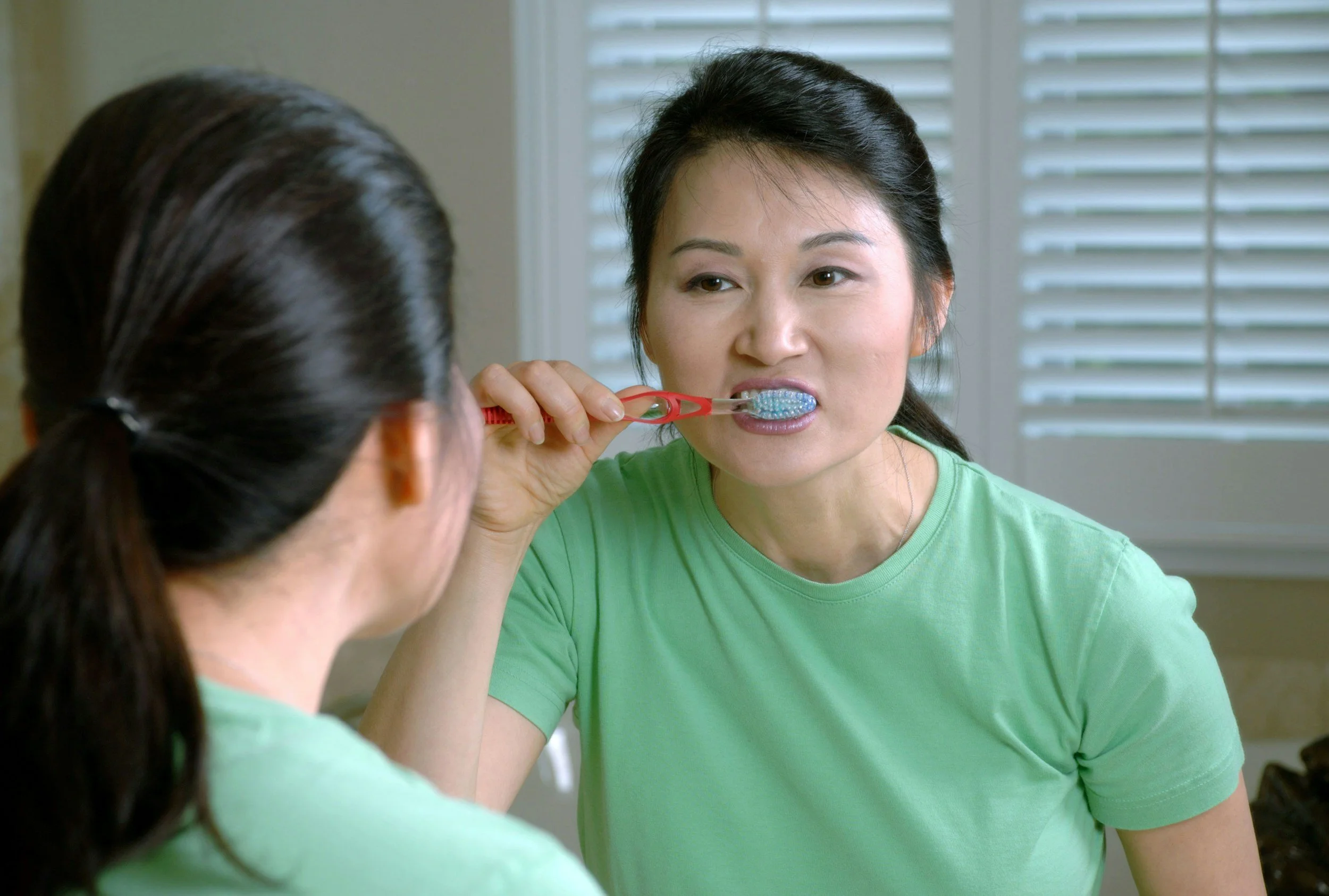
Learn the right way to hold and move your toothbrush to protect enamel and gums. Phoenix dentist guidance.
For how to brush your teeth properly, hold your toothbrush with your fingers—not your fist. A light finger grip gives you better control and prevents brushing too hard. Use gentle, small circular motions instead of a harsh sawing back-and-forth motion. Instead, pretend the toothbrush is an electric sander and roll it around the curves and crevices of the teeth. The high-speed oscillations of the electric toothbrush are more effective at removing plaque and gentler to the gum tissue than stick toothbrushes.
Circular brushing cleans plaque from all the embrasures while protecting enamel and gums. Common mistakes include gripping too tightly or scrubbing aggressively, which can lead to enamel wear, gum recession, and sensitivity.
This technique improves long-term oral health by removing bacteria without damaging enamel or gum tissue. Our dentist and hygienists instruct all of our Phoenix, Arizona patients who switch to a lighter grip and circular motion often notice healthier gums and less sensitivity within weeks and have better check-ups on their return for regular cleanings.
Aim for the Gums and Don’t Skip the Back Teeth
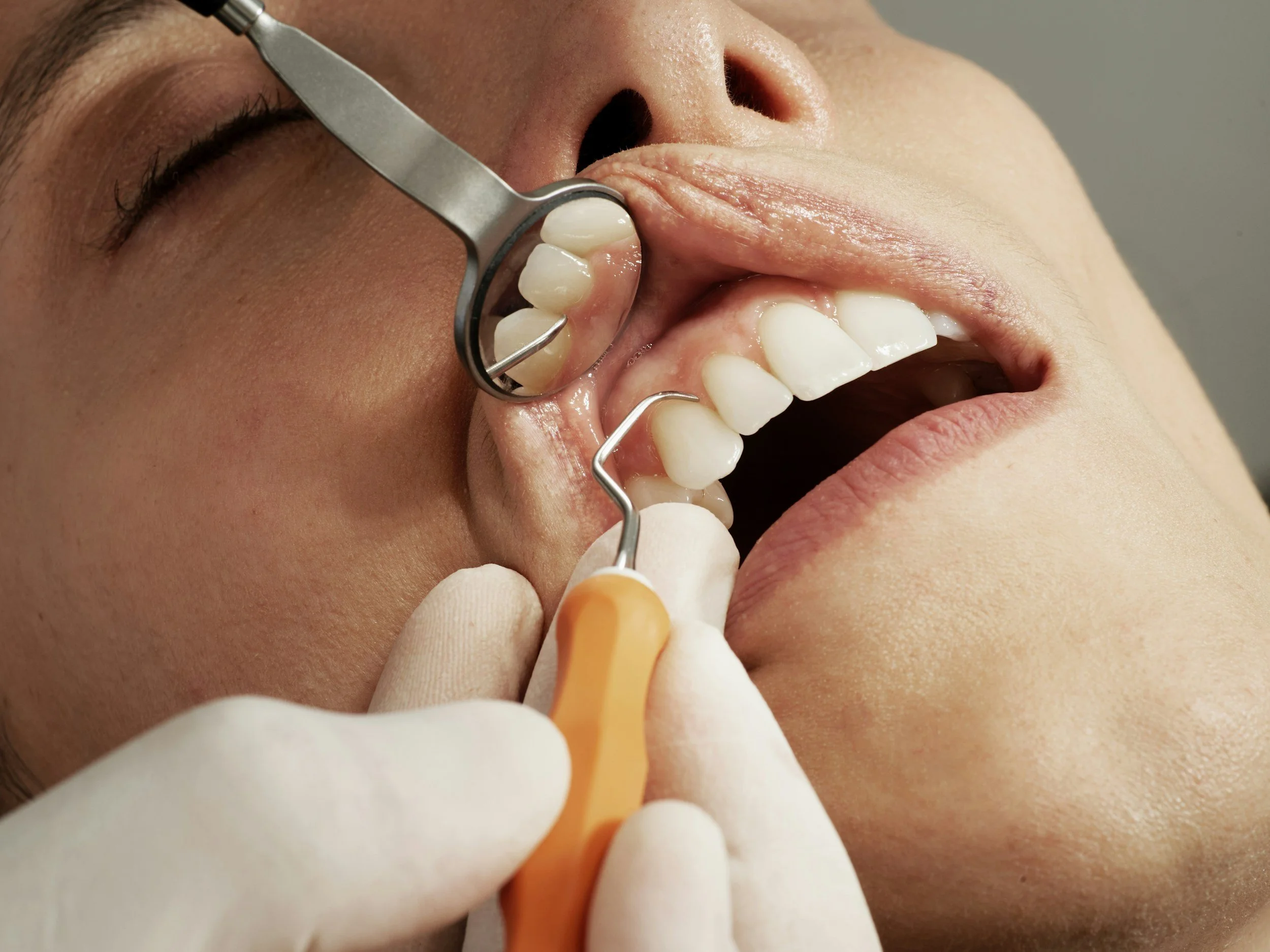
Learn why aiming at the gum-line and reaching back teeth is essential for oral health. Trusted Phoenix dental advice.
When brushing, aim the bristles at the gum-line at a slight angle. This helps clean where plaque loves to hide and where gum disease often begins. Don’t forget the back teeth—they do most of the chewing and are highly cavity-prone. Most commonly missed areas are the lower molars on the tongue side, the upper molars between the tooth and the cheek and the back of the lower front teeth.
A common mistake is brushing only the front teeth or missing hard-to-reach molars. Gently shift your jaw side to side to improve access to the back molar teeth on the top, especially on the upper and lower molars. Watch in the mirror while you aim for the lower molars covered by the tongue. It is an area that can cause severe gagging in some people but is often neglected.
This step helps remove inflammation-causing plaque to prevent cavities, gum inflammation, and bad breath. Our Phoenix dental office dentist and hygienists are dedicated to educating our patients to avoid having to treat such preventable issues that start in these areas. We think this one of the most important oral hygiene tips for long-term dental health.
Finish Strong—Toothpaste, Tongue, and Rinsing Habits

Learn how toothpaste choice, tongue brushing, and not rinsing improve oral health. Phoenix dentist tips.
After brushing, spit out toothpaste but do not rinse with water. This leaves fluoride, hydroxyapatite and minerals on your teeth longer to strengthen enamel and prevent and even reverse small cavities. Use a low-abrasive toothpaste to avoid enamel wear, and you may add a small pinch of baking soda for extra acid reduction and gentle cleaning.
Brush your tongue or gently clean your tongue with a scraper to reduce bacteria on it that cause bad breath. Common mistakes include rinsing your mouth, using overly abrasive toothpaste or brushing aggressively.
These habits improve long-term oral health by protecting enamel, reducing decay, maintaining gum health and keeping breath fresh.
Come meet our great dentist Dr. Jennifer Ebner and see why our Phoenix, Arizona patients see better results. We focus on prevention and education.